Pain circuits and glia
How inhibitory interneurons, oligodendrocyte precursor cells, and myelin change the way somatosensory networks process pain.
 Team WoojinCollege of Korean MedicineKyung Hee University
College of Korean Medicine · Department of Physiology
We study how somatosensory circuits, oligodendrocytes, and plant-derived molecules shape pain, anorexia, and cachexia.
The laboratory
Team Woojin is the research group of Professor Woojin Kim at the College of Korean Medicine, Kyung Hee University.
The lab focuses on nervous system disorders, including pain, anorexia, and cachexia. A central question is how inhibitory interneurons and signal processing in brain somatosensory circuits contribute to neurological dysfunction and behavior. In parallel, the group investigates plant-derived medicinal compounds and their therapeutic potential.
The work joins circuit-level and cellular approaches. Multimodal patch clamp is used to resolve neuron–glia interactions, while neuropathic pain models produced by neurosurgery or chemotherapy connect those cellular changes to behavior and to candidate treatments.
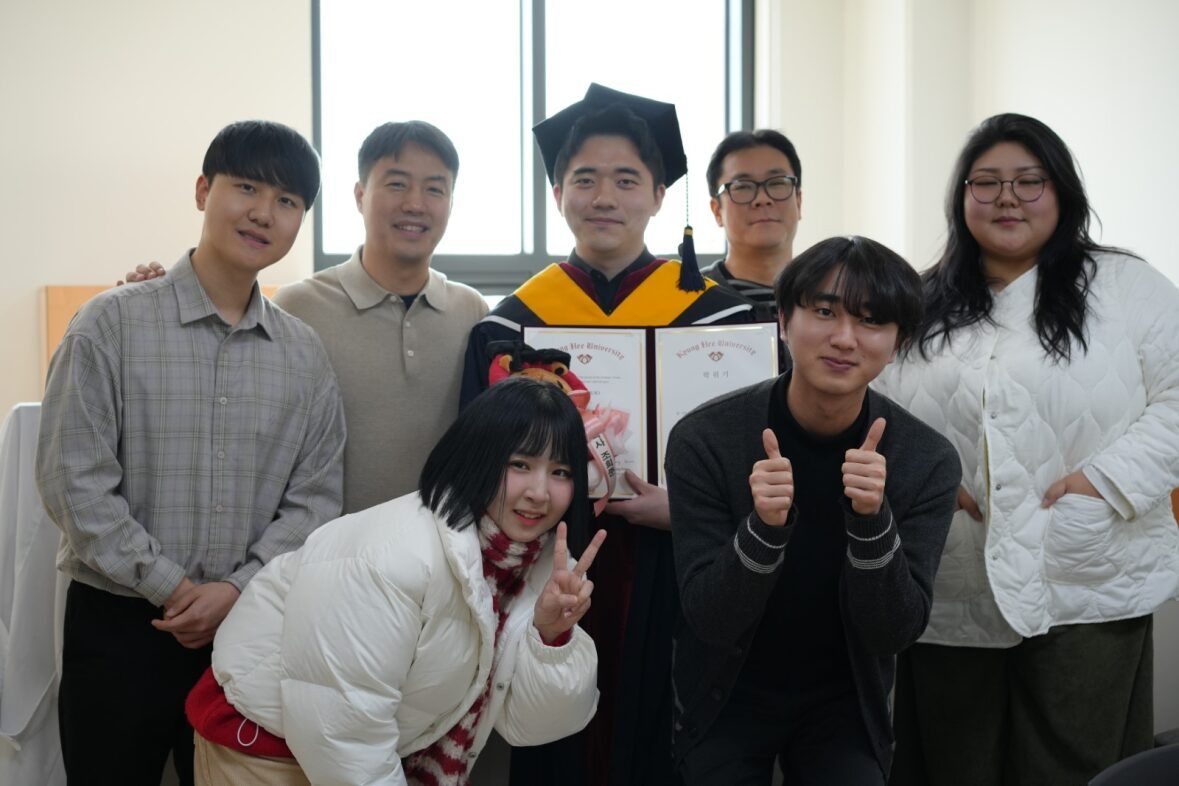
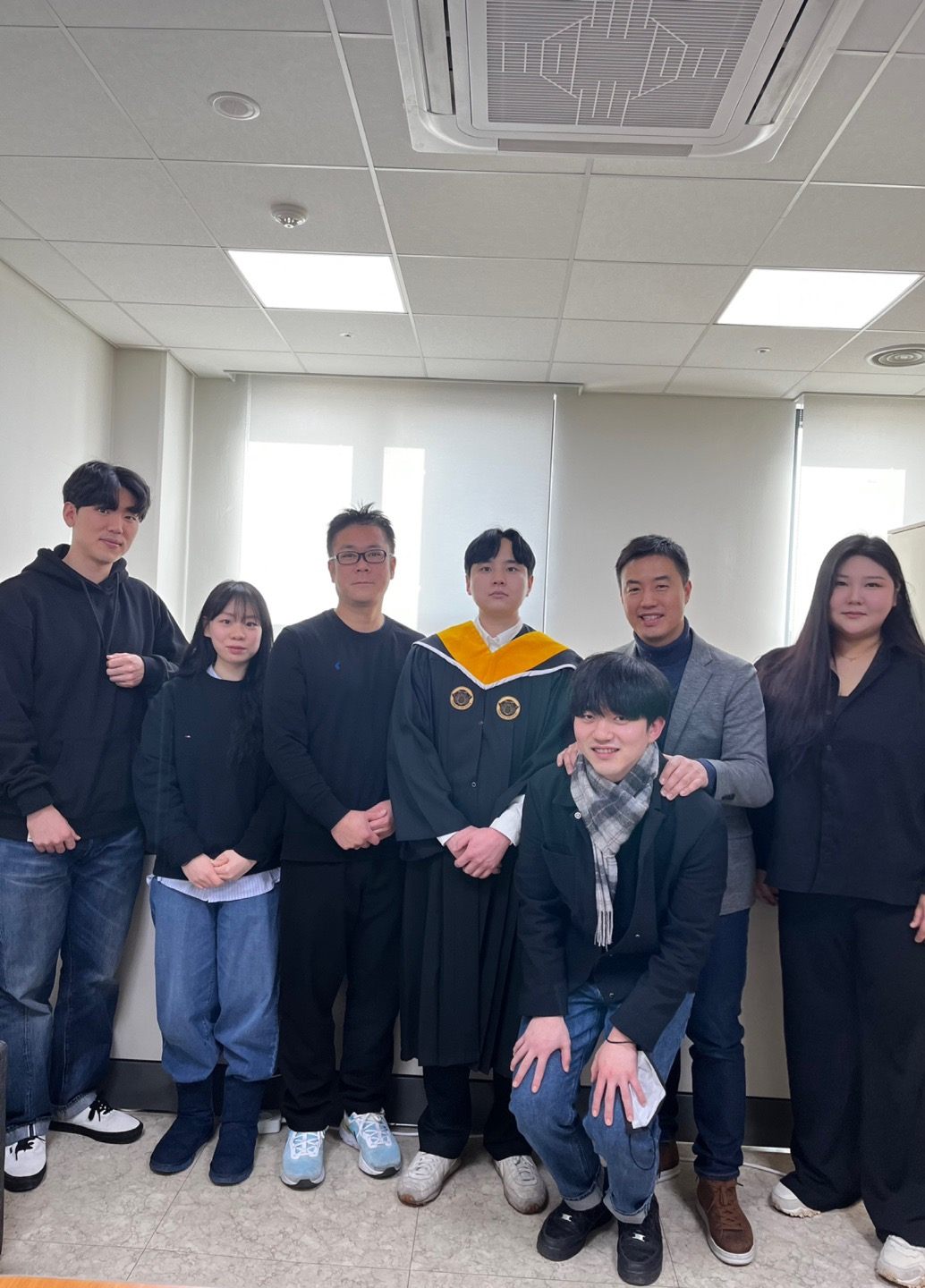
How inhibitory interneurons, oligodendrocyte precursor cells, and myelin change the way somatosensory networks process pain.
Paclitaxel and oxaliplatin models, paired with plant-derived compounds, to find circuit-level routes to analgesia.
Cisplatin-related anorexia, cachexia, and metabolic signals, including obesity pathways studied in the group.
The review with Prof. María Cecilia Angulo, published in the Journal of Neurochemistry, ranked among the ten most-cited papers from 2024 in that journal.
Yong Jae Jeon discussed the group’s broccoli-seed extract study and the role of 5-HT2A signaling in diet-induced obesity in a Hanbitsa interview.
Team Woojin is the research group led by Professor Woojin Kim at the Department of Physiology, College of Korean Medicine, Kyung Hee University.
The laboratory studies neuropathic pain, oligodendrocytes and myelin, chemotherapy-induced neuropathy, anorexia, cachexia, and plant-derived compounds.
The laboratory is Room 951 and the professor’s office is Room 955, Space21, College of Korean Medicine, 26 Kyungheedae-ro, Dongdaemun-gu, Seoul, Republic of Korea.
Email Professor Woojin Kim at wjkim@khu.ac.kr with a CV and a short note on the question you want to study.
Join the group
Write to Professor Woojin Kim with a CV and a short note on the question you want to work on. The laboratory is in Space21 at the Seoul campus.